Convening: The Use and Misuse of Evidence
January 12, 2026
Across the social sector, people creating, sharing, and using evidence have long been driven by a simple goal: make better decisions to improve lives. But the systems that support this work – how evidence is funded, created, shared, and used – often get in the way.
We held a one-day convening of candid conversations about our current evidence landscape and what we can do to improve it.
Building on the foundation of our first convening, we are brought together funders, practitioners, and innovators to examine what’s working, what’s getting in the way, and how we can take coordinated steps to improve the evidence ecosystem.
Where:
When:
Washington D.C. at Georgetown University’s Capitol Campus (125 E St. NW)
January 12, 2026
Agenda
8:30–9:00 am
Check-in & Coffee
Welcome Remarks
9:00–9:15 am
Session 1:
Understanding the Evidence Gap in Policymaking and Implementation
9:15–10:15 am
Session 2:
Pursuing Continuous Improvement Within and Across Government
10:15–11:15 am
11:15–11:30 am
Break
Session 3:
Mapping the Current Evidence Landscape
11:30 am–12:30 pm
12:30–1:30 pm
Lunch
Session 4:
Increasing Evidence Findability, Usability, and Adoptability
1:30–2:30 pm
Session 5:
E&I Group Perspectives on the Current State
2:30–3:30 pm
Building a Better Evidence Future
3:30–3:45 pm
Speakers

-
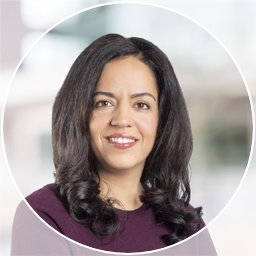
Negar Akhavi is an Interim Deputy Director and Senior Program Officer at the Gates Foundation. She has been working on international issues related to data, poverty, and access to health for the past 20 years, though not always following a linear path. In her current role she focuses on measurement, learning and evaluation for the foundation’s global policy and advocacy agenda. Prior to the Gates Foundation, she was at the United States Agency for International Development from 2011-2017, where she led the Office of Learning, Evaluation and Research, and also enjoyed stints in the Office of Strategic and Program Planning, and in Strategic Communications. Before joining USAID she spent three years in India working on a flagship HIV prevention program-- the intersection of data, advocacy, and marginalized communities’ access to services. Her career started as a journalist in Washington DC and the Middle East, where she reported from Jerusalem, Lebanon, and Egypt. She lives in Washington, DC, where—when she’s not thinking about evidence or evaluation—she’s in the kitchen experimenting with new recipes or on the softball field coaching her daughter’s team.
-
Cihak leads evidence-informed practice and partnerships for the regional government of the 12th largest county in the United States. Cihak guides County agencies on community outcomes and impact, with a strong focus on advancing racial equity. Former roles at the County include three years leading learning and evidence practice and partnerships at King County Metro Transit; serving as an inaugural member of the community mitigation team in the County’s pandemic response; and eight years as Chief of Policy for King County Executive Dow Constantine with responsibility for identifying the highest priority policy areas and community outcomes for leadership focus and developing and launching innovative solutions to complex, controversial, and cross-sector issues. Cihak has served as sponsor for the County’s nationally-recognized work on equity and social justice and is the architect of several County initiatives such as Best Starts for Kids. Cihak also served for eight years as a senior-level policy and budget analyst for the King County Council and as lead staff for the King County Board of Health.
Cihak is trained as a Ph.D.-level (ABD) economist specializing in Japan and served as staff economist on international trade and finance for President Clinton’s Council of Economic Advisers. Cihak is a Local Government Fellow and serves on the Advisory Committee for the Federal Standards of Excellence at Results for America, a non-profit organization that supports all levels of government in making the use of data and evidence in decision-making the “new normal.” Cihak was the first government Policy Fellow at the Center for Advanced Study in the Behavioral Sciences at Stanford University (CASBS) in 2017-18 and has been a Research Affiliate at CASBS since that time. Cihak was named J-PAL North America’s inaugural Evidence Champion in 2023.

-
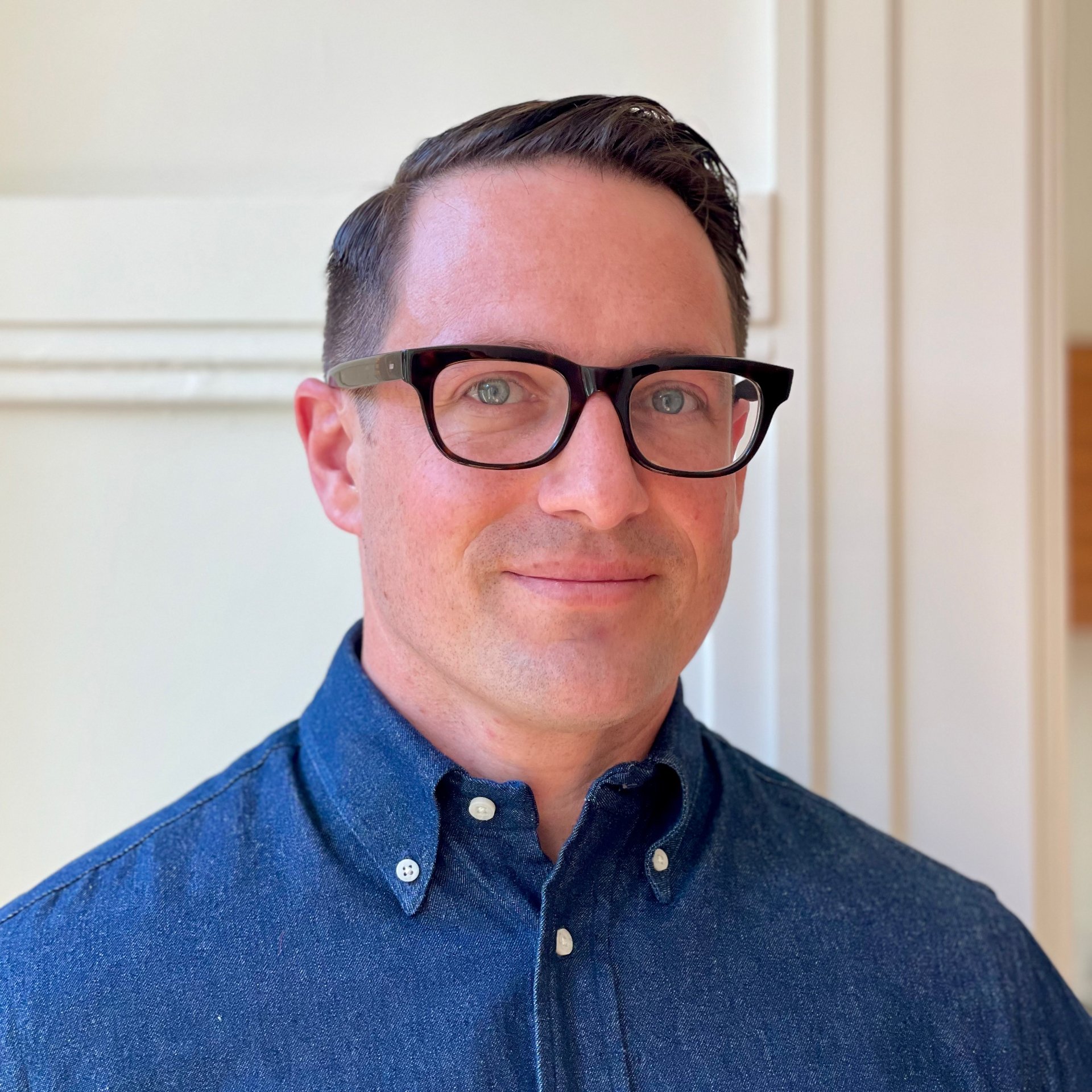
Ben Berres is a data and technology professional with 20+ years of experience supporting children, youth, families, and communities across nonprofits, public agencies, philanthropy, startups, and the private sector. He began his career in Washington State providing direct services in the child welfare system and later earned an MSW and MPA from the University of Washington.
His work has included performance-based contracting, program evaluation, administrative data research, integrated data systems, and public reporting tools, including efforts to help nonprofits standardize program data collection and reporting. He later worked at Accenture designing business intelligence and analytics solutions, and then founded a consultancy providing data and technology advisory services to nonprofits, foundations, and public agencies. He has held roles at Casey Family Programs, Partners for Our Children, Project Evident, UC Berkeley’s School of Social Welfare, and the University of Washington School of Social Work.
He currently serves as a Senior Advisor at the Data Foundation, a Senior Advisor (IPA) with the U.S. Department of Health and Human Services’ Administration for Children and Families, and provides AI coaching to a portfolio of Bay Area nonprofits.
-
Jesse is the Chief Impact Officer at DARO. Jesse has an extensive background in technology, startups, and the social sector and is passionate about information architecture, open data, user experience, software development, business analysis, and change management. He also specializes in coalition building, and in the mechanics of process design and governance that enable successful large-scale collaborations.
Jesse has led the design and implementation of multi-stakeholder collaborative/collective data use initiatives in Africa, the USA and Canada, and been a key contributor to the International Aid Transparency Initiative and GivingTuesday’s Data Commons. He has a unique track record leading sectoral transformation in philanthropy and international development, and regularly works with major social purpose organizations on systems level questions related to data strategy and the use of data for good.
Prior to co-founding DARO and Powered by Data, Jesse successfully founded both a non-profit bike co-op and a decentralized energy company, and also owned and ran a working farm.

-
Erik Erickson is the Chief Data Officer for Hennepin County and the Director of the Integrated Data & Analytics Department. Erik provides leadership to advance the use of data in support of county strategies and effective government. He does this by furthering the role of data science, fostering a data informed culture, advancing the responsible use of AI, and helping the county fully leverage its data as both an operational and strategic asset. His leadership and work on integrated data and innovative uses of data in government have been nationally recognized by the National Association of County Organizations. Erik has more than a decade of leadership experience in data and analytics with a background in applied research, program evaluation, and education. He holds a master’s degree in educational policy and a PhD in organizational leadership, policy, and development from the University of Minnesota. Outside of work, Erik is involved in his community as a cross-country ski coach, high school athletics volunteer, and Panther Foundation board member.

-
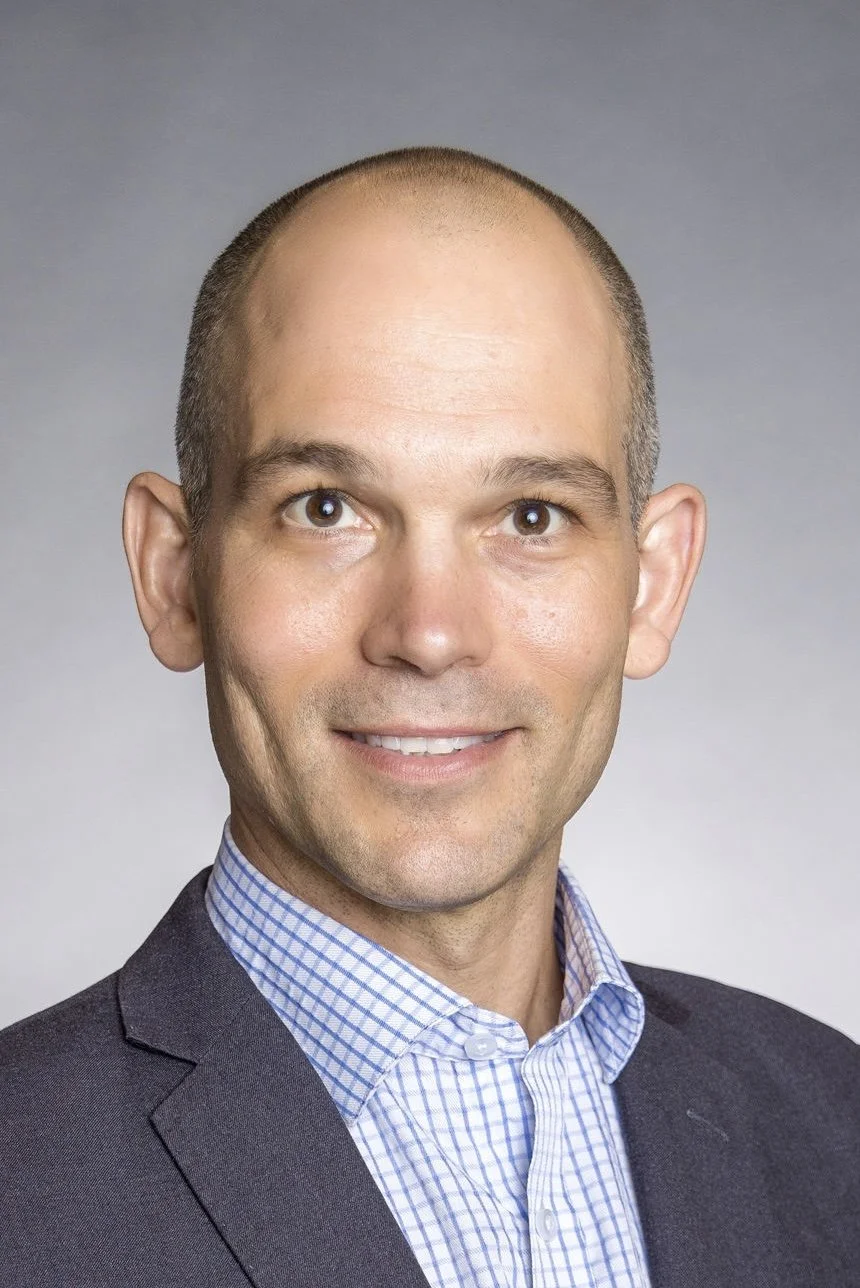
Jed Herrmann is a Director in the state and local government consulting practice at Guidehouse, where he co-leads the firm's grants management and program implementation work. Most recently he served as a senior advisor at the White House Office of Management and Budget where he worked on the effective implementation of trillions of dollars in federal programs. Before joining the White House, he spent three years at the U.S. Treasury Department where focused on the administration of approximately $600 billion in economic recovery programs from the American Rescue Plan. Previously, Jed was Vice President for State and Federal Policy Implementation at Results for America where he led the state government practice and worked with governors across the country to improve the results of their economic mobility programs. He also served at the Corporation for National and Community Service in the Obama Administration and was Deputy Commissioner of the New York City Department of Consumer Affairs under Mayor Bloomberg.
-
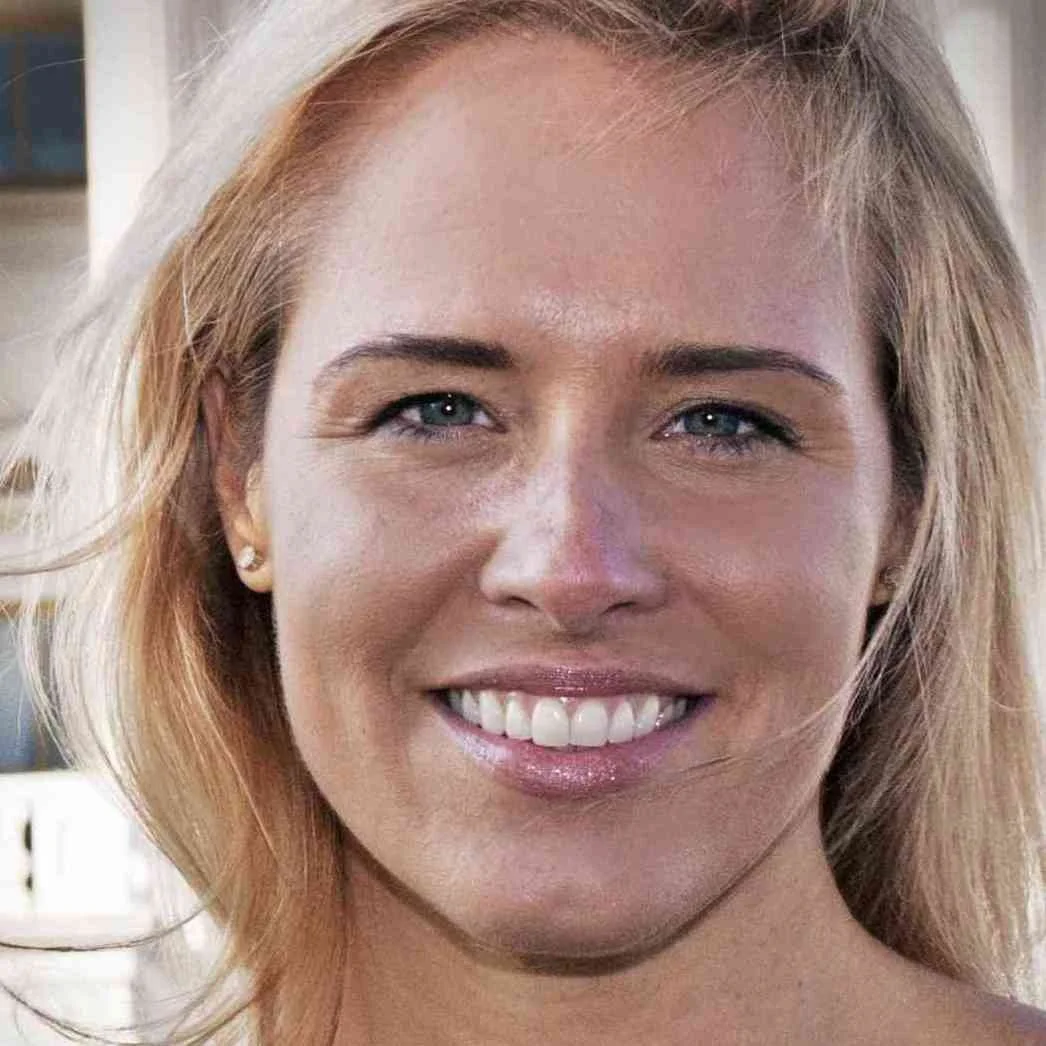
As founder and CEO of POPVOX.com and the Executive Director of the nonprofit POPVOX Foundation, Marci is passionate about the responsible use of technology to improve government and benefit humanity. She is a lawyer and former Congressional staffer, who worked on the House Ways and Means Committee's Affordable Care Act team. She has held fellowships with Harvard Kennedy School's Ash Center for Democracy and the New America Foundation, and taught public policy, government, and civic technology courses at the University of San Francisco, San Jose State University, and the University of California Berkeley.
-
Former Secretary of Washington State Department of Children, Youth, and Families, Director, WA State Dept. of Early Learning, State Representative for the 48th legislative district and a long-ago Microsoft exec.

-
Daniella is the facilitator for the Use and Misuse of Evidence Convening. You can find out more about her background here.
-
Ben McNamee is the Director of Strategic Partnerships at DARO. A strategic impact and evaluation leader in the non-profit sector, Ben has experience at service delivery organizations, Foundations, and intermediaries. He was previously a Senior Vice-President responsible for evaluation and data management at ACCES Employment, a Director of learning, measurement, and evaluation at Ontario Trillium Foundation, and an impact analyst at Charity Intelligence.
As an impact measurement expert, Ben has completed hundreds of impact evaluations. He has also co-developed one of Canada’s first outcomes-focused funding evaluation frameworks and business intelligence strategies. He speaks frequently on the topics of Data and Impact Measurement. He has an MA in Economics from Simon Fraser University and a PhD (ABD) designation in Economics from the University of British Columbia.

-
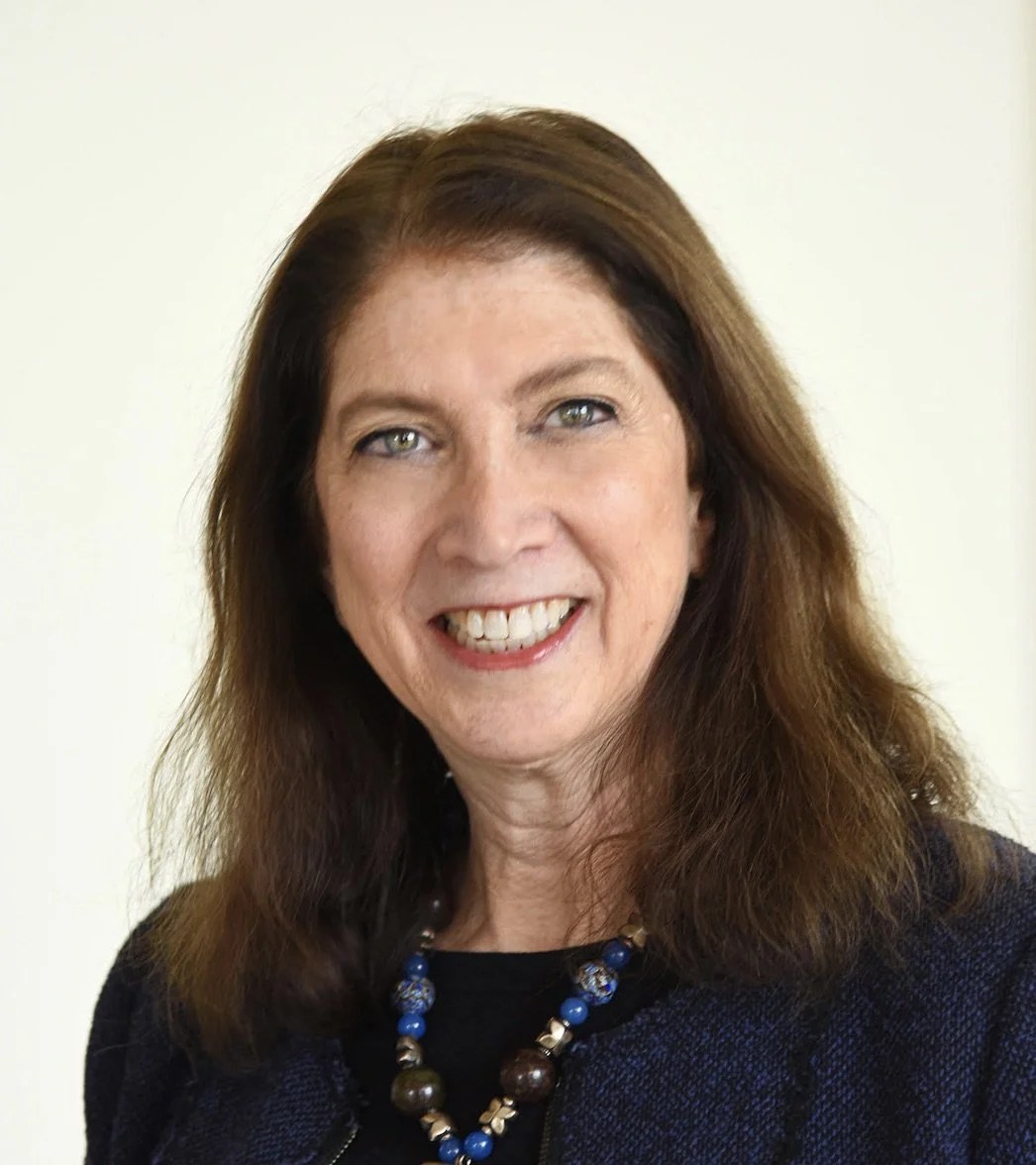
Shelley Metzenbaum works to bring about a better world through better government, working both within and outside government. As founder of The BETTER Project, she encourages governments and those funded or regulated by government to use goals, data, analysis, well-designed trials, incentives, and visualization to find ways to improve outcomes and other aspects of performance, and to avoid using these tools in ways that create fear and dysfunctional responses. Metzenbaum previously served as founding President of the Volcker Alliance, Associate Director for Performance and Personnel Management at the U.S. Office of Management and Budget, head of regional operations at the U.S. Environmental Protection Agency, and undersecretary of environmental affairs and director of capital budgeting for the Commonwealth of Massachusetts. Dr. Metzenbaum holds a Ph.D. in Public Policy from the Harvard Kennedy School and a bachelor’s degree in Humanities and Asian Studies from Stanford.
-
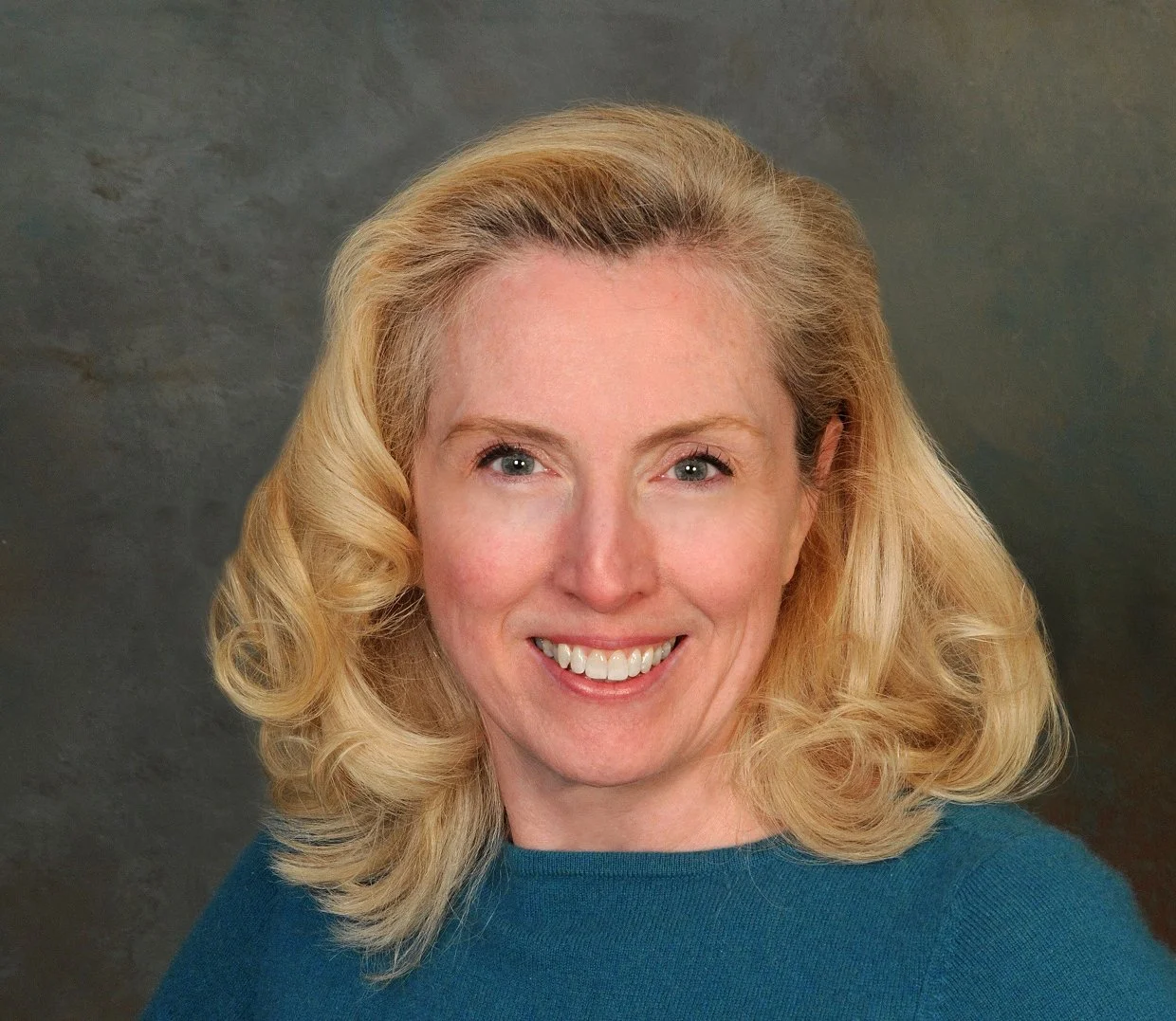
Amy O’Hara is a Research Professor in the Massive Data Institute and Executive Director of the Federal Statistical Research Data Center at the McCourt School for Public Policy. She works on data governance, linkage, and privacy enhancing technologies. Her research focuses on methods to improve secure data access, particularly involving administrative data with applications in education, justice, and population measurement.
O’Hara has published on topics including the measurement of income, longitudinal linkages to measure economic mobility, and the data infrastructure necessary to support government and academic research.
Prior to joining Georgetown, O’Hara was a senior executive at the U.S. Census Bureau where she founded their administrative data curation and research unit. She received her Ph.D. in Economics from the University of Notre Dame.
-
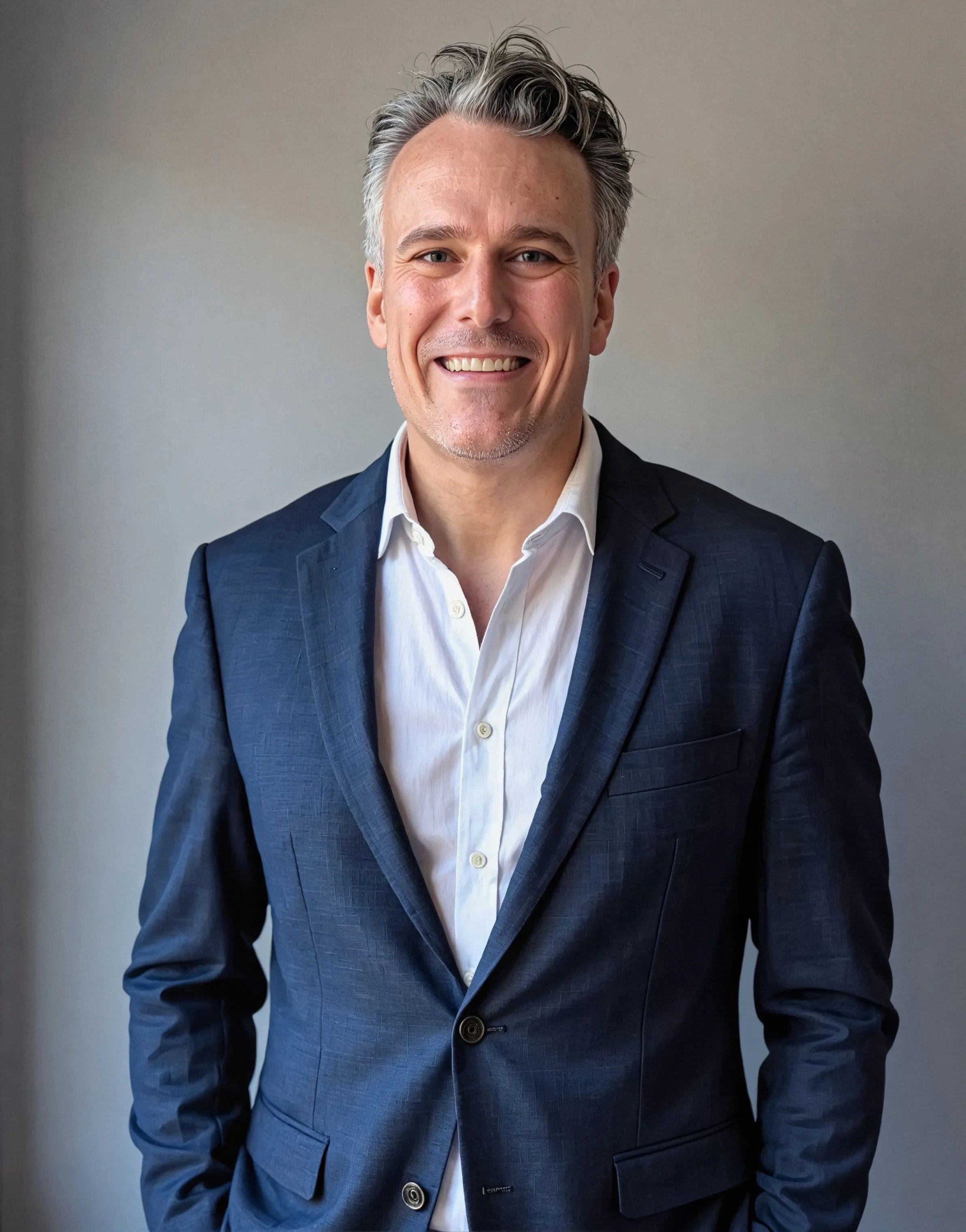
Gabriel brings great energy to the challenge of building evidence, improving programs, and enhancing community outcomes. For nearly two decades he has approached this work from the various perspectives of funder, evaluator, and nonprofit service provider at organizations such as Friends of the Children and Public/Private Ventures. Shaped by his background as an Ombudsman and a court mediator, his work relies on careful communication to facilitate understanding across audiences and drive action. Prior to joining Project Evident, Gabriel was Director of Evaluation and Learning for the Edna McConnell Clark Foundation. Gabriel is also the co-founder of the Emmy-nominated immersive film collective BBQ Films. He earned his MBA from Columbia University, and an undergraduate degree from the University of Chicago.
-
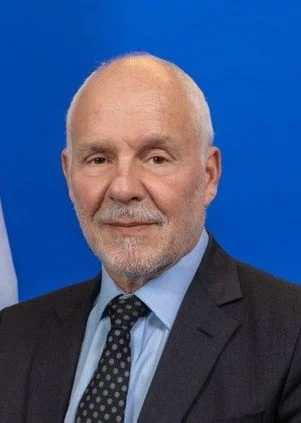
Mark Schneider is a nonresident senior fellow at the American Enterprise Institute. He served as the Director of the Institute of Education Sciences from 2018-2024. Previously, he was a Vice President and Institute Fellow at the American Institutes for Research, which he joined after serving as the Commissioner of the National Center for Education Statistics from 204-2008. He is Distinguished Professor Emeritus of Political Science at Stony Brook University.
-
Robert Shea is Chief Executive Officer of GovNavigators. Before launching GovNavigators, Robert was National Managing Principal, Public Policy, at Grant Thornton. Robert has a more than 25-year history of working to improve government performance. He recently served on the Commission for Evidence-based Policymaking. Robert served as associate director for the U.S. Office of Management and Budget, as senior management counsel for the Senate Committee on Governmental Affairs, and, before that, as legislative director for Congressman Pete Sessions. He also served on the staff of the House Committee on Government Reform. He has a J.D. from South Texas College of Law and a B.A. from Connecticut College. He recently joined the faculty of the University of Pennsylvania’s Penn Biden Center.

-
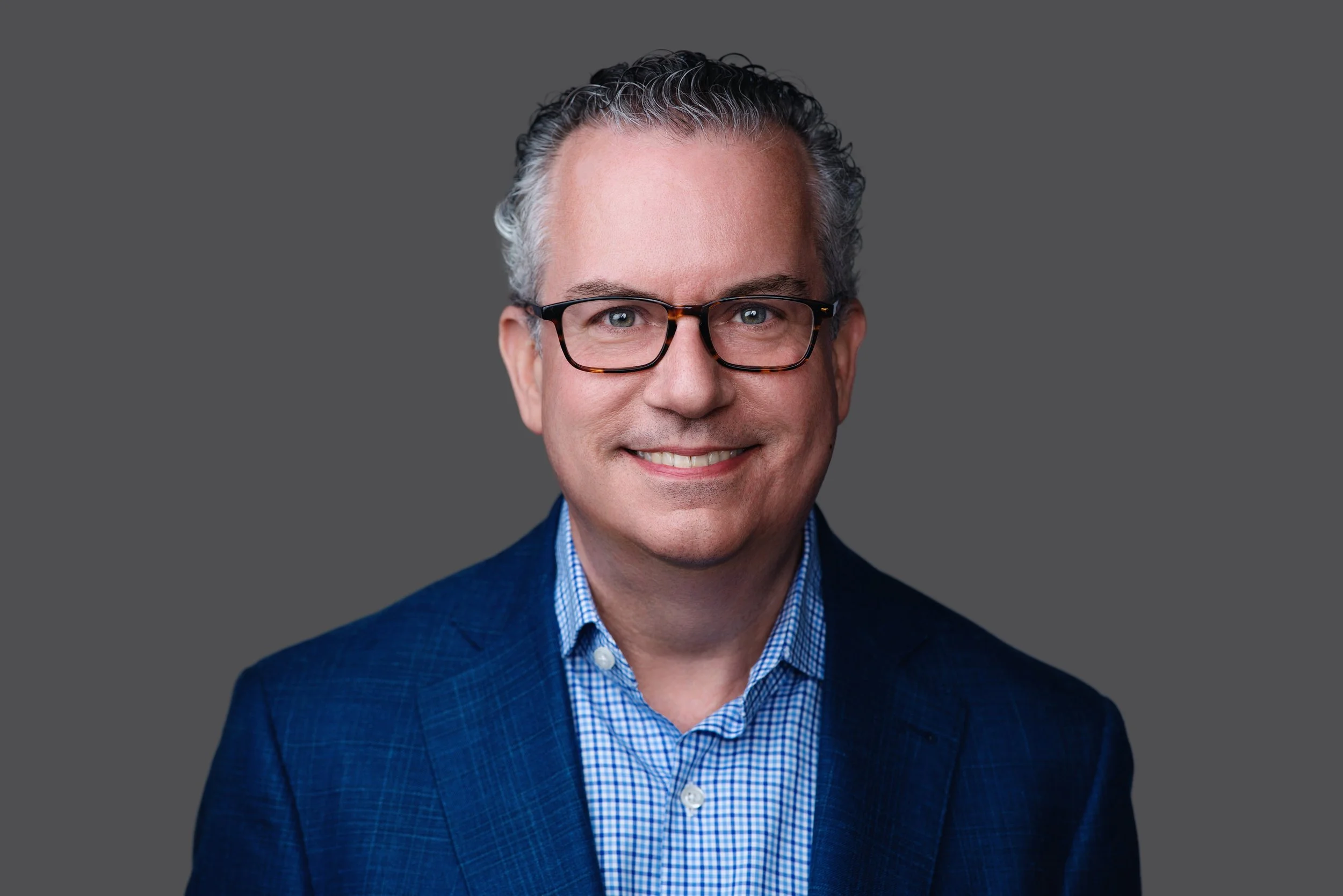
Christina Yancey, PhD, is a vice president at the American Institutes for Research (AIR) supporting an exceptional group of researchers, data scientists, and technical assistance experts in improving employment and economic opportunity for individuals in all 50 states. She has spent over 20 years at the intersection of data, policymaking, and public sector programs, to improve pathways from education and training to high-wage, high-growth jobs for all. From her time as the US Department of Labor’s Evaluation Officer, from 2019 to 2023, building evidence on federal workforce development grant programs to her role today leading project teams that center place-based, user-centered insights, Christina creates cross-disciplinary teams centered on harnessing data to inform lasting, impactful solutions.
Examples of her current projects and capacity-building activities reflect dynamic, cross-system perspectives on expanding economic pathways for all including: advising a philanthropic investment strategy for expanding economic pathways into and within the Built environment; launching an education philanthropy’s foundational investment in improving recruitment for apprenticeships; developing a funding roadmap for philanthropies seeking to catalyze youth economic mobility opportunities today; advising the U.S. Sentencing Commission on research and administrative data capacity and effectiveness; leading an evaluation policy taskforce in a 2026 update in evaluation principles and practices for the field; and serving as a senior advisor on a number of federal, state, and philanthropic projects across